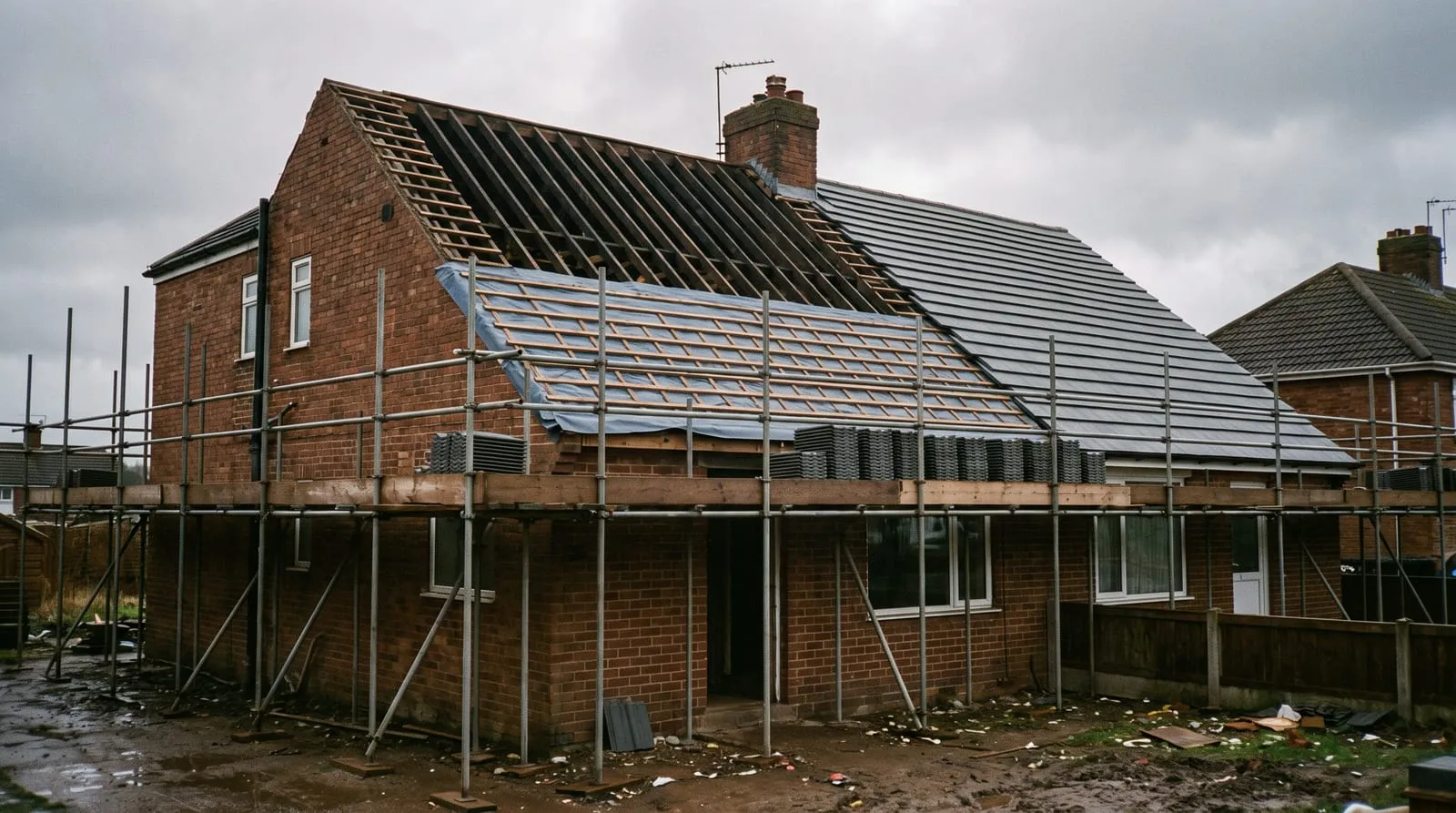
Solar panels last 25+ years, so roof condition matters. When a roof needs work first, when it doesn't, and what installers actually check.
It’s one of the fairest questions a homeowner can ask before committing to solar. Panels are designed to generate for 25 years or more, and they’ll be bolted to your roof for all of it. If the roof underneath has ten years left in it, you’re storing up an expensive job for later: taking a whole array off and putting it back is not a small piece of work.
The good news is that most roofs don’t need anything doing. But it’s worth knowing what actually matters, so you can judge it yourself rather than take anyone’s word for it.
What installers are actually looking at
A roof survey for solar isn’t a full roofing inspection, but it covers the things that determine whether an array can be safely mounted and left alone for decades:
The battens. Panels aren’t fixed to the tiles. Roof hooks pass between the tiles and bolt through to the timber battens or rafters underneath, so the strength of that timber is what carries the load. Sound battens are fine. Battens that are rotten, woodworm-affected, or undersized are the single most common reason a roof needs attention before an install.
The tiles or slates. Concrete interlocking tiles, clay pantiles, natural and fibre-cement slates are all routinely worked with. What matters is condition rather than type: badly delaminating slates or tiles that crumble when lifted make for a difficult install and a leak risk afterwards.
The felt or membrane. Older roofs with brittle bitumen felt can tear where hooks pass through. It doesn’t necessarily stop the job, but it’s something to spot beforehand rather than discover halfway up a scaffold.
Existing leaks and damp. If there’s already water getting in, fix that first. Panels won’t cause it and won’t cure it, but they’ll make access harder.
When a new roof genuinely makes sense first
If your roof is already near the end of its life (widespread slipped or broken tiles, sagging between rafters, a re-roof already priced up and pencilled in for the next few years), do the roof first, then the solar. Doing it in that order costs less overall, because you only pay for scaffolding once and you never pay to remove and refit an array.
The same logic applies if you’re having other roof work done anyway: a loft conversion, new fascias, a chimney taken down. Sequencing solar to follow that work is almost always cheaper than working around it.
When it doesn’t
A roof doesn’t need to be new. It needs to be sound. Plenty of the roofs we fit panels to are thirty or forty years old and in perfectly good order: a well-laid concrete tile roof will typically outlast the solar system on it. A handful of cracked tiles isn’t a reason to re-roof; they can simply be replaced as part of the install. Moss, lichen and general weathering are cosmetic.
If your roof is watertight, the timber is sound and nothing has moved, there’s no benefit in replacing it just because you’re adding solar.
Will the panels damage the roof?
Fitted properly, no. The hooks are designed so that tiles sit back over them and water runs off as it did before, and MCS-certified installation covers the mounting and weatherproofing standards this has to meet. Cracked tiles during an install do occasionally happen (anyone working on a roof will tell you that honestly), and they get replaced before the scaffold comes down.
Panels also shelter the section of roof they cover from UV, rain and hail, which does the tiles underneath no harm at all.
How this fits into the install
A typical install of 6 to 20 panels takes two to three days including scaffolding, and any minor roof remedial work usually happens on day one while the mounting rails go up. Bigger issues (a section of battens needing replacing, for example) are the sort of thing you want identified at survey stage, with a price attached, not raised as a surprise mid-job.
That’s the real argument for a proper physical survey rather than a quote generated from a satellite image. Nobody can assess batten condition from above, and the difference between “your roof is fine” and “your roof needs a day’s work first” is worth knowing before you sign anything.
If you’re unsure whether your roof is up to it, our free, no-obligation survey includes a proper look at the roof structure, and we’ll tell you plainly if the honest answer is to sort the roof out first.
Want to know if this is right for your home?
Our design proposals are free and carry no obligation. We cover all of England.
Get a free quote today